

Fixing my depression, breaking my writing
what happens to a writer when it all goes quiet?

CW: depression, self-harm
I turned thirty-one last week.
I have a fabled tradition of crying on my birthday. Something about excitement colliding with apathy has always made me unbearably sad. When I was a child, I’d cry the morning of my birthday because the stress of going to school, of seeing if my friends had baked cupcakes or written cards, was just too much. Look, I’m a July baby, so maybe the sad-girl Cancerian energy is to blame.
This year though, I didn’t cry. Not because I’ve stopped being melodramatic. Not for lack of trying, but because I no longer can. I am on SSRIs. My body simply doesn’t produce tears.
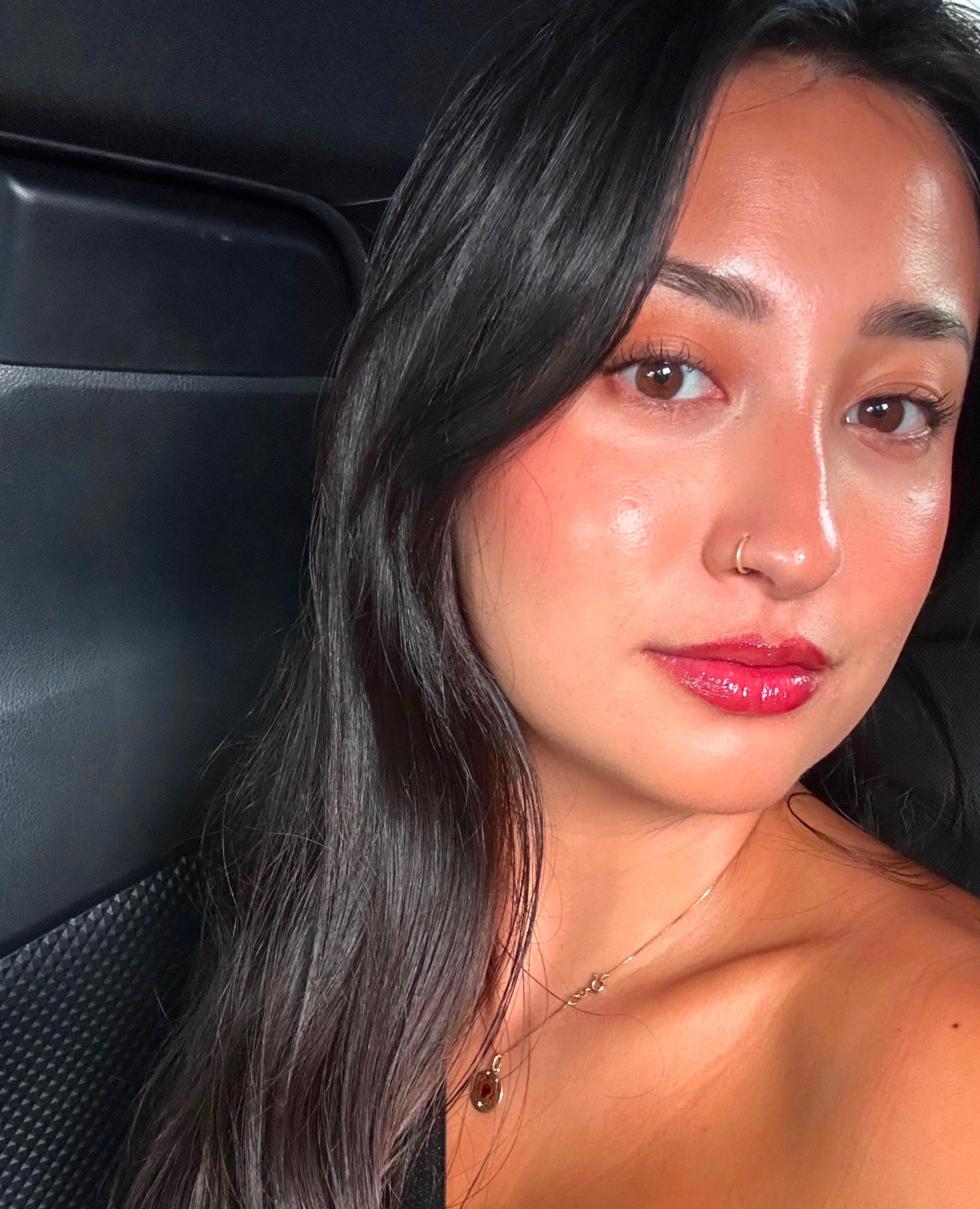
When I try to describe depression, the right words feel a hair out of reach. Virginia Woolf famously said: ‘the merest schoolgirl, when she falls in love, has Shakespeare, Donne, Keats to speak her mind for her; but let a sufferer try to describe a pain in his head to a doctor and language at once runs dry.’
It is not sadness. It isn’t feeling ‘blue’. It isn’t discontent or general low mood. It is neither romantic, nor sentimental. It is what I can only describe as grief. Grief without a source or a lesson or an outlet. Grief that thwarts purpose, that makes everything seem pointless. It isn’t an emotion so much as something felt all over: cognitively, psychologically, physically. It can rarely be anticipated, pre-empted or curbed. It manifests in bone-deep fatigue and lethargy, as well as a suite of other physical betrayals.
I may have always been predisposed to depression. But it took me by the throat over a decade ago - 22 January 2015, to be exact. Anyone who’s read my first novel Jaded, can probably guess what I associate with that date. It’s been eleven years, and though I have lost whole months to the blur of PTSD, I still remember every detail about that night. I was nineteen years old, and my body had been taken from me. I didn’t have the skillset or emotional maturity to know what to do with that. I didn’t grow up in a household where ‘PTSD’ or ‘depression’ or ‘trauma’ were things that existed, let alone discussed.
I learned to refer to periods of depression euphemistically as ‘feeling low’. Rather than seeking help, I chose instead to berate myself for being unable to get out of bed. Some days, catching my reflection in the mirror would send me into a tailspin of self-hatred, and I would feel an urge to claw at my skin. Sometimes, the only relief would be to do so. I haven’t worn a bikini since, only swimsuits; my midriff is scattered with the scars of that relief.
I behaved in ways I am ashamed of, lashed out at people who loved me, pushed the limits of their care for me in a reverse-engineer of validation (‘if they stick by me when I’m being such a fucking demon, then they probably do love me.’) I was so unwell that I wished, simply, to not exist. Depression had walked into my life, taken its coat and shoes off, and stayed. And, as wild as it sounds, I didn’t think there was anything that could be done about that.
I can’t pinpoint when exactly I decided enough was enough, but over the past few years, I’ve tried a smorgasbord of therapies in various formats: CBT, psychotherapy, hypnotherapy, ethnocentred therapy, BetterHelp, a life coach! My internalised misogyny showed up when I was convinced that female therapists would be more empathetic and male therapists would be more cerebral.1
Each time I started a therapy kick, the first few sessions would be cathartic. All that context, dumped onto a paid listener. Let it all out in a controlled environment. But after a month or so, each therapists’ responses grew repetitive, or even trite. I yearned for someone to meaningfully challenge my thinking, but felt as though I was being fed boilerplate solutions. Other times, I was aware that the therapist was pandering to me, telling me what they thought I wanted to hear. I was tired of rehashing the past, over and over again, finding it grating, time-consuming and expensive. Most of all, I was bored. Of myself. Of swimming against the current of my own brain. Of trying to function in a way that was so natural to everyone else.2
I couldn’t stick with it. I’d miss one session, then two, then let it lapse completely. I figured I should be able to just…manage? Sure, I was so profoundly sad that opening the curtains, or brushing my teeth, or changing out of stained trackies seemed like gargantuan tasks. But couldn’t I just live with that? Something was mechanically wrong with my brain, or my heart, or my soul, and that was that. Maybe, I thought, I am simply bad. Or mad. Why make sense of the senseless? In any event, when basic hygiene was my Everest, it seemed nigh on impossible to go through the social experiment of therapy.
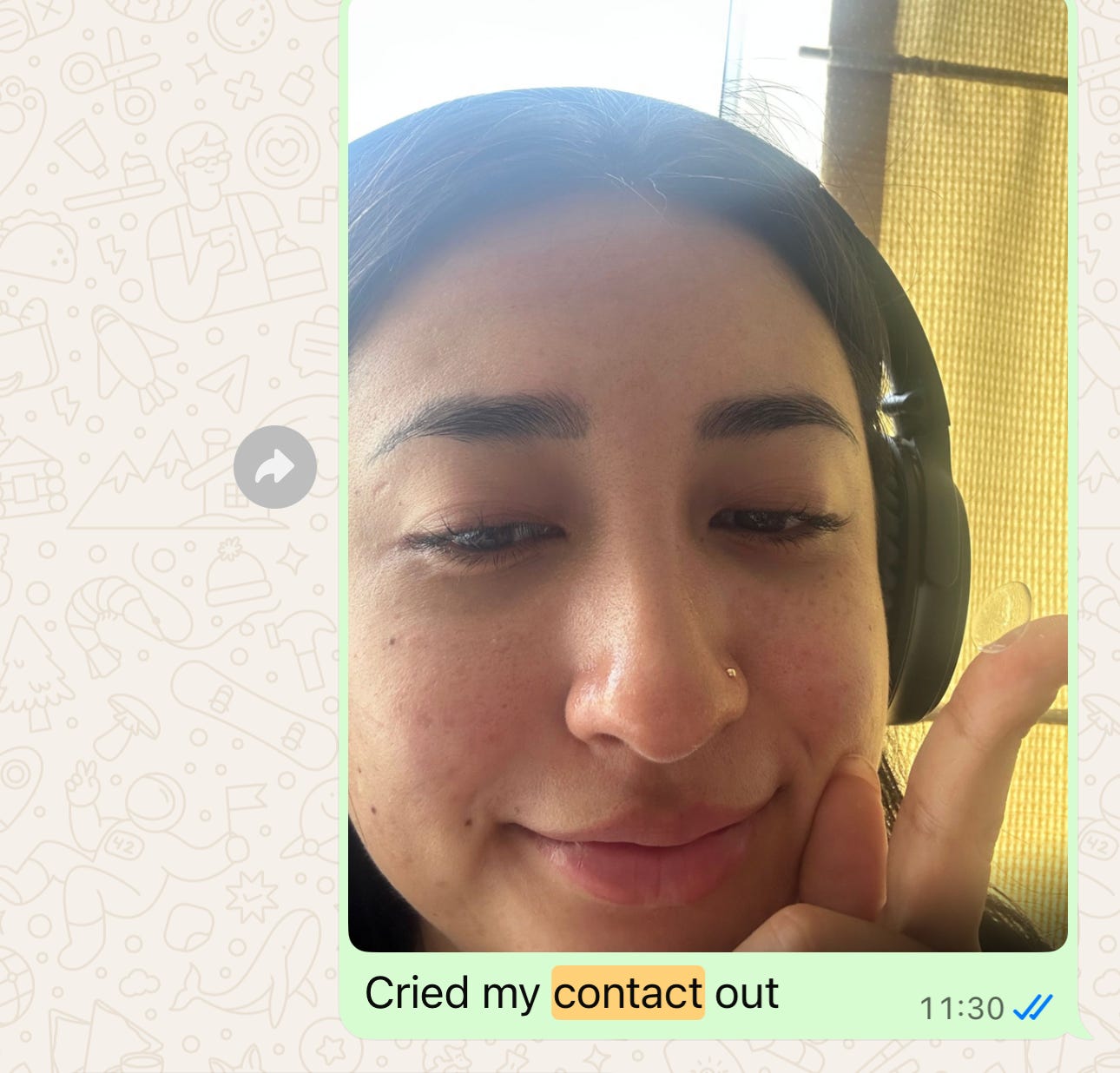
Unable to commit to therapy long term, medication became the alternative.3 My husband helped me book the appointment. One thing worth saying here: being inside depression feels like the darkest place on earth, but sometimes I wonder if loving someone depressed is its own kind of lightless. The blind leading the blind.
I was prescribed sertraline the same day. After a few weeks, the grief didn’t leave exactly, but it somehow got lighter. I can only describe it as someone reaching into my brain and turning the volume, brightness and saturation down. Everything recalibrated. I noticed that I was less reactive. More able to regulate myself. My mood held steadily, rather than pendulating from one extreme to the other. My appetite returned. I could finally sleep through the night. I no longer covered my mirrors. It would be an understatement to say that it has changed my life. It may have saved it.
Which brings me back to my birthday.
Not crying this year is not some profound growth moment, it is a side effect of the drug. My neurons are under some sort of paralysis such that I am physically stunted from shedding tears.
That is not the side effect that worries me most, as a writer. It makes sense, in hindsight, that a drug that dulls the worst emotions, would also pull back the best. Yes, I’m relieved that I no longer experience intense grief, but it hadn’t occurred to me that, in return, I’d be sacrificing other intensities.
I no longer get dizzily excited with good news. I don’t feel the productive edge of pre-deadline anxiety. I never feel any real anger or frustration, even in situations when I ought to. I used to eat art. Now I have to remind myself to pick up a book. The part that unsettles me most is that I used to feel full to the brim with the urgent need to write. It was, for want of a better word, a compulsion. Now, I write in planned windows. Some days, I just don’t care about the work at all.
In short, what I have gained in regulation, I fear that I’ve lost in drive. Or presentness or inspiration. What does it mean to be a writer who has, essentially, been numbed? Writers are conduits for the tiny advances and retreats of life, translators of those fluctuations too subtle to name that make up a relationship, a decade and so on. I no longer feel tapped into that rawness and that scares me. What does it mean for my career to no longer have access to that granularity of emotion?
Craft doesn’t have to be fuelled by pain, and I resent the suggestion that we’re all writing from the wound. But there are days that I still go looking for it like a phantom limb. Discipline empirically can replace desperation. Writing that is restrained has its own kind of beauty. But sometimes, I can’t help but worry that I’ve traded my instrument for my sanity.
I squirmed typing that.
For completeness, there was a prolonged period that therapy did really help, which I spoke about more here.
To be clear, they are not mutually exclusive.
Thank you so much for writing this Ela x
Thank you for being so vulnerable and sharing this with us. Sending you so much love always. 🩷