

Things worth your time #2
monsters, slutty apples, the post-literate age, the Big Freeze, and adultery

Hello, welcome to Elaborate. Today’s post is episode 2 of my weekly edit of recommendations worth your time. Enjoy!
Constructing the bogeyman
Monstrification - Aeon - Surekha Davies
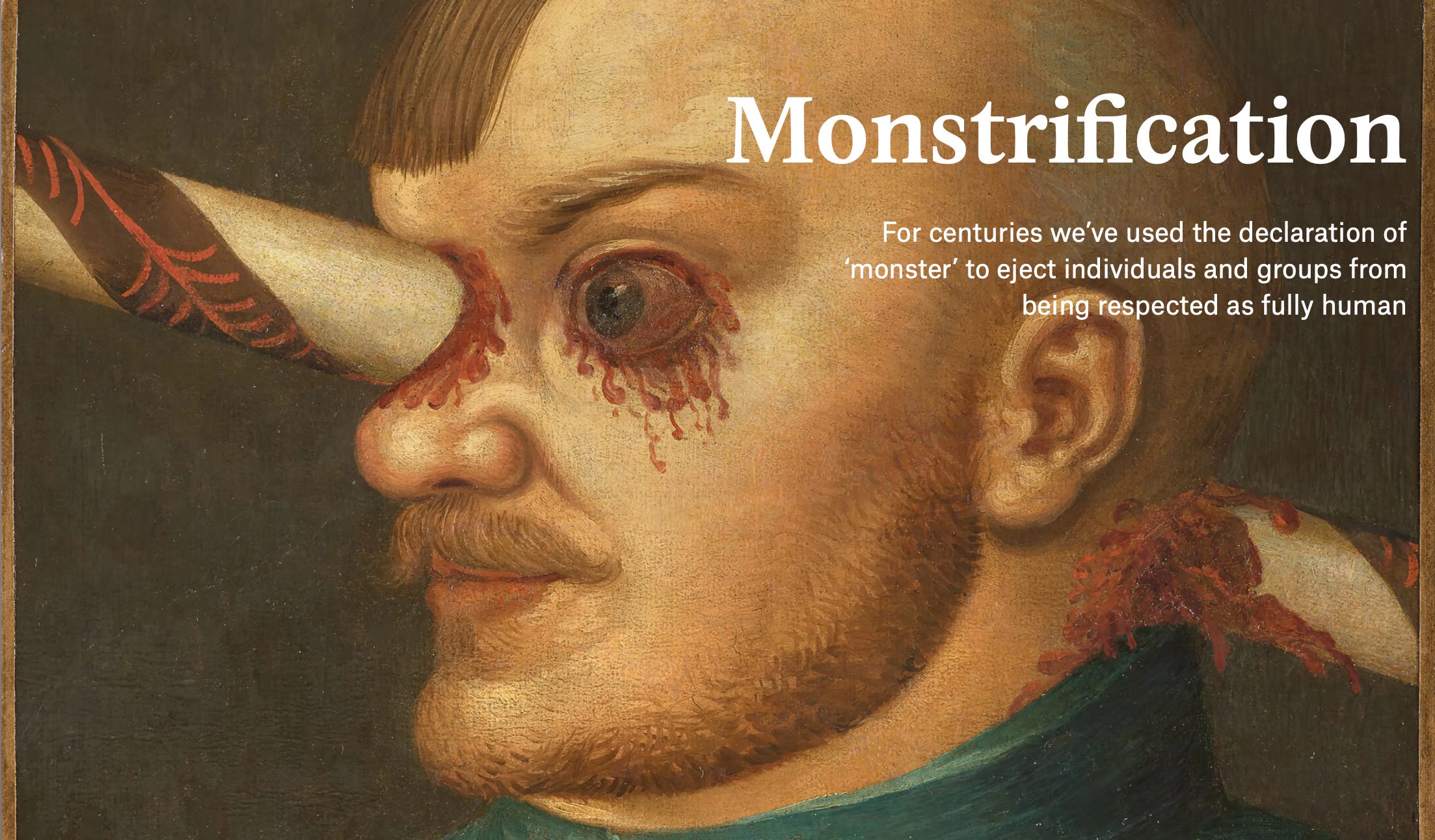
A sobering piece on the Western history of the defining groups as ‘monstrous’ as a means of dehumanisation
When did monsters go from being werewolves and zombies, to actual humans? Davies charts how many polemic issues today - trans rights, immigration, AI - trace back to a long Western history of undermining a group’s right to live in safety.
I found it fascinating to read the link between classical Christianity and monster-making. The Book of Genesis details Noah’s curse on his son Ham’s descendants, who are throughout history described as ‘cursed with black skin as a mark of shame’ and ‘lived like animals’. This would provide ‘biblical justification for the enslavement of black Africans.’
Davies says monstrification is still rife today, and will shape the future of human rights through the blurring of the lines of humanity itself. Far-right movements in the West perpetuate historical fears of minority groups as monsters that are a threat to safety.
As I read the article, I couldn’t stop thinking about the ongoing genocide waged against Palestinians. The pro-Israel rhetoric relies on constant dehumanisation, labelling children as terrorists and exploiting age-old Islamaphobic tropes as justification for war crimes. If they’re not human, then how can their human rights be violated?
The crux of the article:
Resisting the rhetoric of monstrification involves being mindful of three things:
recognising monstrification for what it is: a process that constrains, even endangers, people’s lives for no other reason than that they give the lie to myths about tidy, unchanging social categories.
understanding that there are hidden agendas when people spin stories to declare that some don’t deserve human rights or due process.
almost no one is safe in a culture of monstrification. Since no social category is hermetically sealed from any other, the risk of being the object of monstrification is contagious, its proponents continually seeking new targets. Either everyone’s rights are protected, or no one can be sure their own rights will be upheld.
We’re all basically medieval peasants
The dawn of the post-literate society - James Marriott
Substack essay on the freefall decline of reading
“I literally never read!” a friend said to me in the wake of my first novel being published. They said they were too busy, struggled with a short attention span, liked to unwind with the small screen, probably had ADHD, while I nodded frantically to show how totally fine I was with their admission that they would never read my book.
Print was one of the most important revolutions in modern history; what was once an elite pursuit was, by the early 1700s, accessible to the middle and working classes resulting in a monumental knowledge transfer. Historians have linked this explosion of literacy to the birth of human rights, democracy, capitalism and scientific development.
Now, reading is in free-fall, the publishing industry is floundering, literacy rates are stagnant. The cause? Of course, the smartphone. Previous methods of entertainment like films or concerts could only command attention for 90 minutes at a time. Even TV shows back in the day were scheduled; you had to consult the TV guide, tuning in at a specific time to watch.
“If the reading revolution represented the greatest transfer of knowledge to ordinary men and women in history, the screen revolution represents the greatest theft of knowledge from ordinary people in history.”
University professors are at the coalface, reporting that students can’t read standard curriculum texts - Pride and Prejudice, Bleak House, Crime and Punishment - struggling to grasp small details, feeling overwhelmed by the reading load.
“The transmission of knowledge — the most ancient function of the university — is breaking down in front of our eyes. Writers like Shakespeare, Milton and Jane Austen whose works have been handed on for centuries can no longer reach the next generation of readers. They are losing the ability to understand them.”
Where does this leave us? As reading dies, so does our critical thought and cognitive function. Conspiracy theorists gain cult followings. Panic media and rage-baiting get the most engagement. ‘Engagement’ is a euphemism for distraction. Science and empiricism are done away with. Everyone is a shallow expert on everything. TV shows are scripted to be followable while viewers simultaneously scroll. Pop songs are repetitive. In short:
“Without the knowledge and without the critical thinking skills instilled by print, many of the citizens of modern democracies find themselves as helpless and as credulous as medieval peasants — moved by irrational appeals and prone to mob thinking. The world after print increasingly resembles the world before print.”
An affair to remember
Another Marvellous Thing - Laurie Colwin
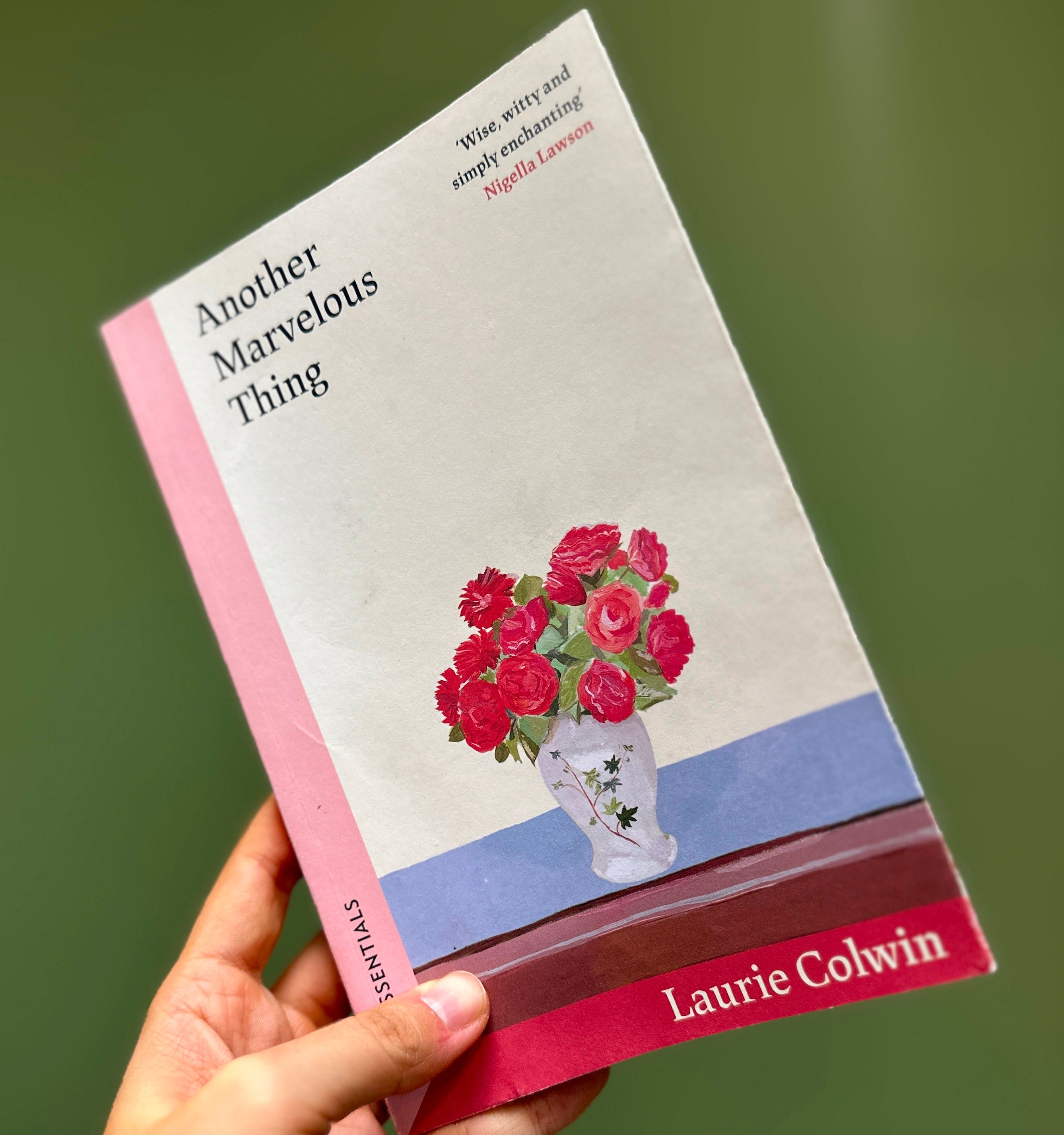
To me, this book is a masterclass in word economy. My agent once told me that the shorter the book, the better it has to be, and clocking in at 129 pages, this story of Billy and Francis, lovers, both happily married and not to each other, is wildly skilled. The first chapter is swift foundation-laying of the two opposites-attract protagonists:
“My mistress is a serious, often glum person, who likes to put as little inflection into a sentence as she can… I call her every morning. I see her almost every weekday afternoon. On the days she teaches, she calls me. We are as faithful as the Canada goose, more or less. She is an absolute fact of my life.”
This isn’t your usual self-imploding affair story filled with lovers’ spats and scorned spouses. They aren’t miserable in their marriages, and in fact love their lawful partners very much. They aren’t planning to do a runner together. There’s no cuckolding. There’s no moral element to the story, no judgment from the author. They are two people who are both aware that they have no future together, and that’s why they can love each other.
An interesting sub-theme for me was the exploration of form v. substance in relationships: Billy and Frank would never work in form, they would drive each other mad - she’s a slob, and he’s a heteronerd - but that facilitates the substance. Precisely because they make no sense outside the confines of Billy’s sofa in her study, without the distractions that we all have to communicate our ‘selves’ to others, can they be their truest selves with each other.
Colwin captures with cleansing clarity the small, defined roles we hold in other people’s lives, alongside the unknowability of the rest of their worlds.
Two couples intertwine during the Big Freeze of 1962-1963
The Land in Winter - Andrew Miller
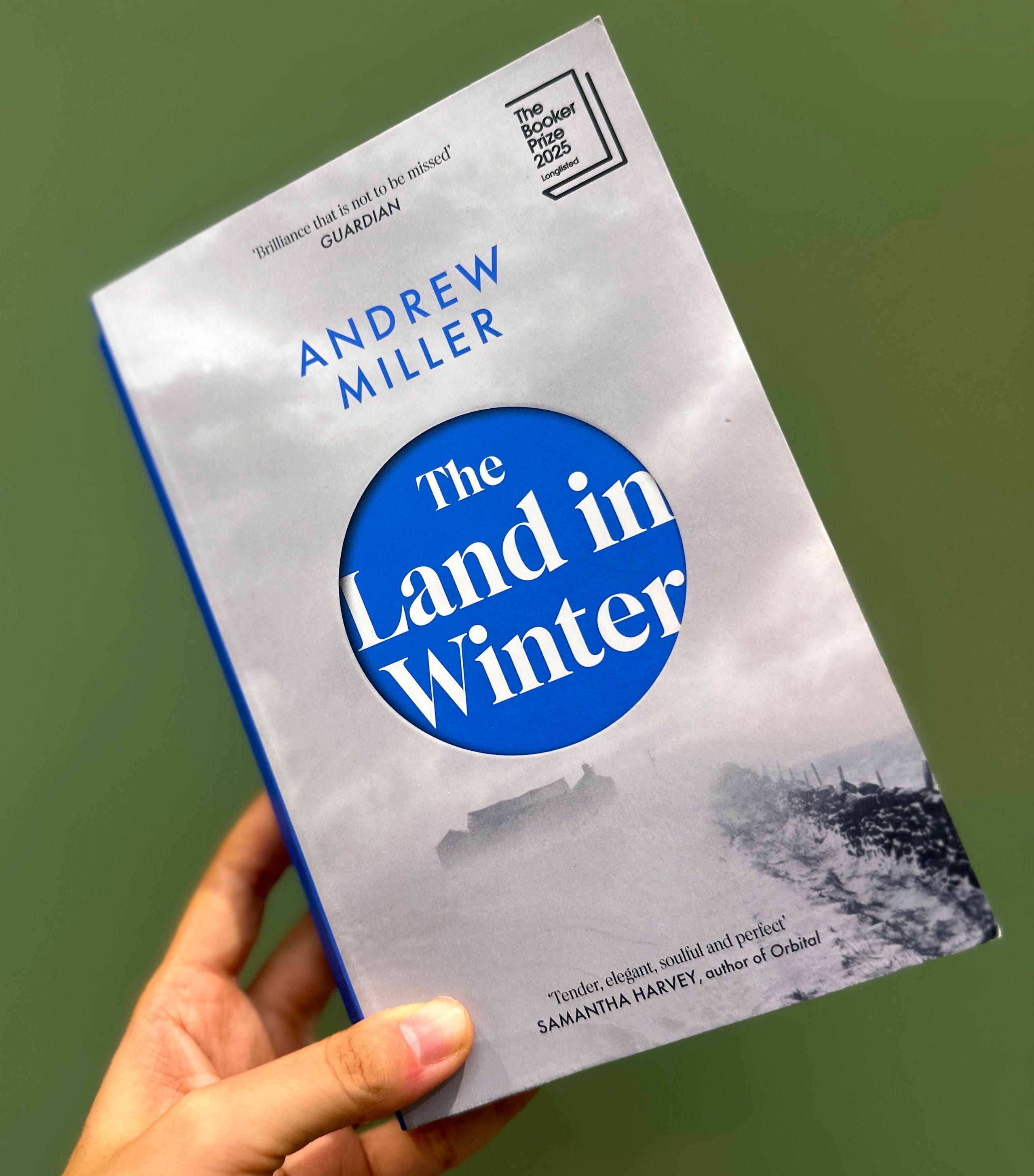
I have mixed thoughts on this novel. It is subtle, with movement being driven entirely psychologically rather than through plot. It makes for quite an unsettling read.
Set in the West Country during a record-breaking blizzard, the novel follows rural neighbours Irene and Eric Parry, and Rita and Bill Simmons. We follow their inner lives almost thought by thought. We’re with them as they get dressed, as they mull over their commute, as they prepare dinner, as they fight the voices in their heads. From this shadowing unfolds their unease with the lives they occupy.
The early sixties was an interesting setting. I don’t think I've read any book set in that time frame that wasn’t resolutely swingin’. The novel straddles a time where the legacy of the Second World War continues to loom, side by side with increased bodily freedoms such as contraception. I thought Miller explored this tension brilliantly through his characters.
Whilst it is a quiet book, there’s something addictive about it too. As we progress through the narrative, it becomes quite haunting how much internal uncertainty these characters have, and how irreconcilable the legacy of their past is with their ever-changing present.
Alcohol and sobriety in literary culture
How Sober Should a Writer Be? - The Yale Review - Sloane Crosley
Nobody really drinks anymore. We’re bio-hacking, obsessed with the fallacy of wellness and temple-worshipping our bodies. I for one haven’t regularly drunk for nearly ten years. I might sip half a champagne at a wedding, or have the odd (one) drink every now and then, but I can’t remember the last time I was steaming, or had a hangover. I’m always designated driver.
But there’s a literary romanticism of the writer-drinker. Crosley looks at F. Scott Fitzgerald’s On Booze, how his alcohol consumption, even as it was destroying him, was conflated with glitz and glitter. Hair of the dog, nightcaps, three sheets to the wind, it all came with a touch o’ glamour.
I hadn’t noticed until Crosley pointed out that in contemporary fiction, there has been a shift from drunkenness being depicted as shorthand for charm or decadence, to it being the vector for violence or abuse:
“Instead of cleaning up their acts, inebriated protagonists…became abusive or mean, liable to wrap their cars around tress.”
Apples are slutty
The Sex Lives of Common Vegetables - Noema - Leah Zani
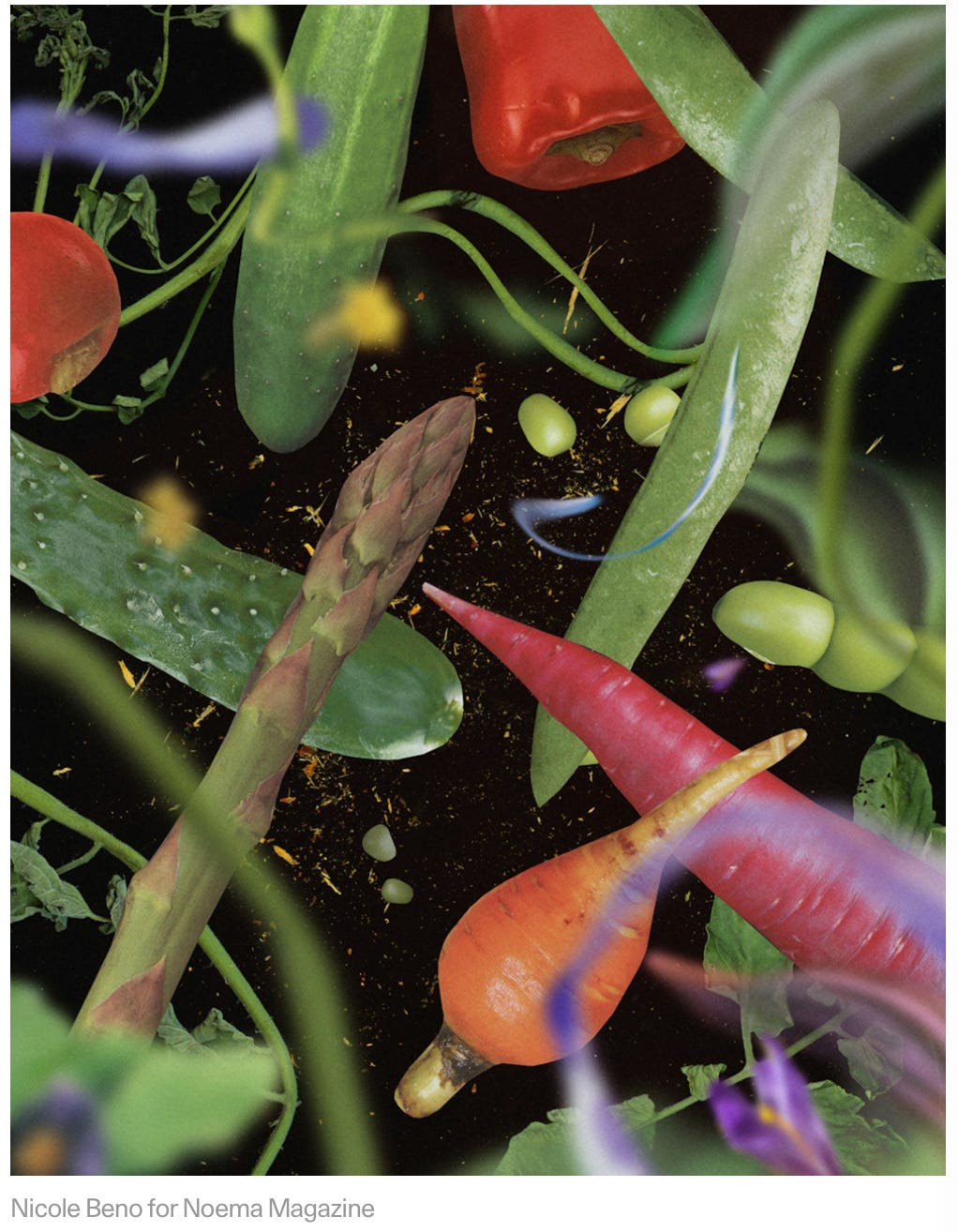
Zani takes us back to the Western basis of the gender binary: Adam and Eve and original sin.
Humans are psychotically obsessed with classifying anything and everything into fixed, hierarchical points, calling it science to lend it neutrality. Zani’s own father taught her how to garden, and transitioned later in life, which she reflects on as she lays out that nature itself isn’t so concerned with what’s ‘natural’.
“Knowledge systems that label some forms of life and ways of living as more or less ‘normal’ ignore the complexity of being human and the diversity of all life. The wild exuberance of our planet exceeds any order we have so far conceived.”
Most vegetables are sexually fluid. Apples and green beans, for example, bloom with both male and female reproductive parts. Cucumber plants, are neither fully male nor female but shift with environmental conditions such as available sunlight. Ingeniously, cucumber plants can also gauge how many of its neighbours have flowered male, and adapt accordingly, ensuring that the patch can sustain itself.
“A cucumber patch thus self-regulates by managing the sexual expression of every plant. To me, that looks a lot like family planning.”
Some have done away with men altogether (don’t blame them). Bananas, grapes, tomatoes, watermelons, squashes are all-female that can produce fruit asexually.
“Sex and gender are not fixed points separated by an uncrossable valley. They are moving vistas that change depending on where you stand and in which direction you travel. The way most people in Euro-American culture think of sex and gender is one perspective, the view from one vista. It is not the only one.”
Zani makes a compelling argument that life as demonstrated by vegetables is less about binary categories (male v.s. female/normal v.s. abnormal/desire v.s. reproduction) and more about unruly transformation and fluidity. Drawing on Goethe’s idea that each plant organ (seed, leaf, flower, fruit) aren’t separate mechanisms, but phases of continual metamorphosis, Zani says that plants shouldn’t be seen as having discrete, gendered functions but one dynamic expression of living.
What I found most interesting, besides the promiscuity of Red Apples, was the analysis of science as a legitimising factor.
“Science is not only about knowing things, naming and classifying. It’s also about the ethics of knowledge production itself.… We create lesser orders to house all the beings that aren’t deemed human or human enough. We call it science as if it is neutral, but its function is often hierarchical.”
Visiting:
The term ‘Foodie’ gives me the ick and I can’t pretend to be an authority on the London gastronomic scene. An offshoot of chronic anxiety is that I like to stick to tried and tested restaurants; the sister twitch to rewatching the same nostalgic TV show for the hundredth time. BUT, I did have an excellent time at the new-ish opening in Shoreditch, Lagana.
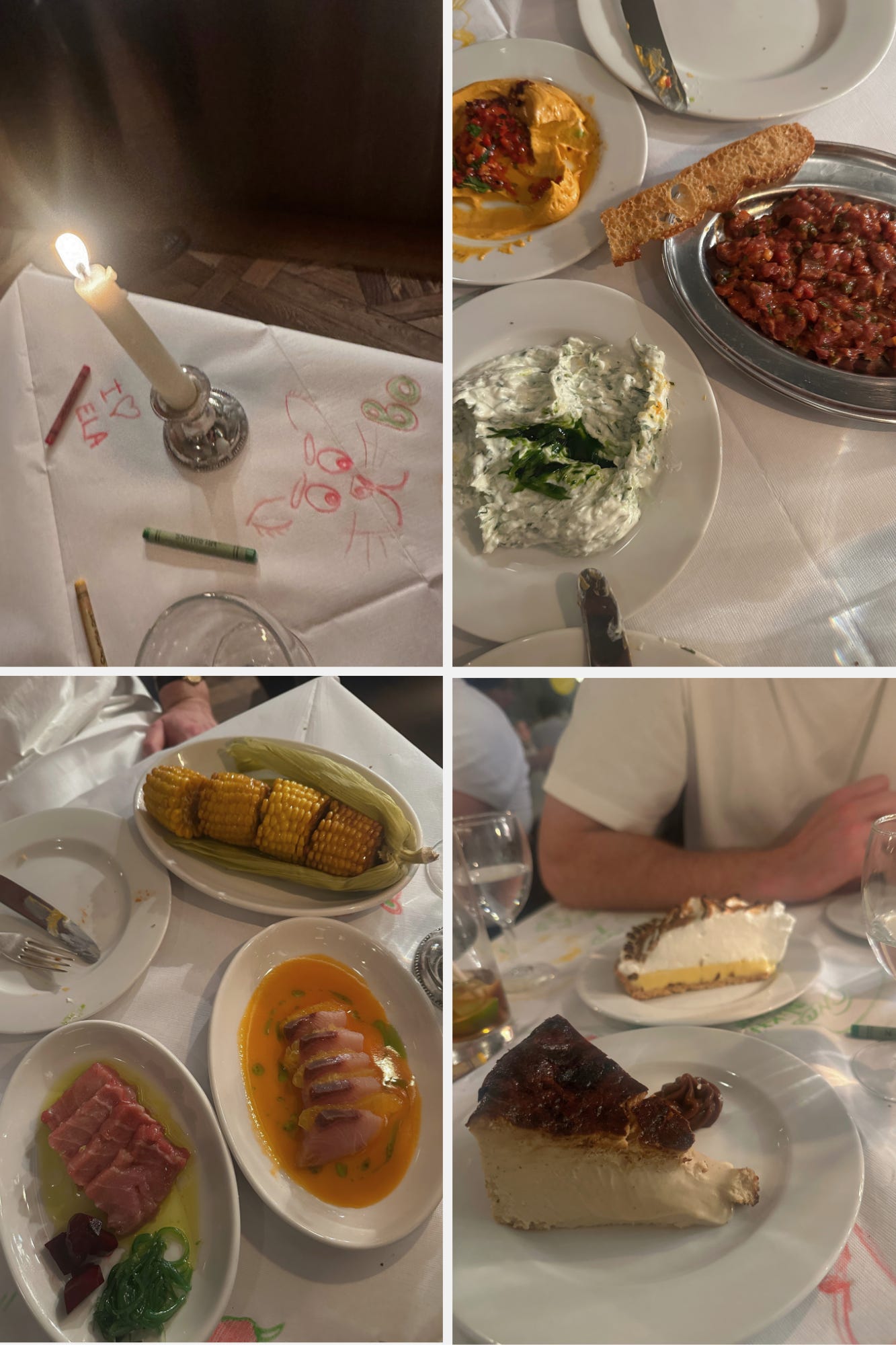
Clockwise from top-left: crayons to draw on the tablecloth (yah my husband is obsessed with me as he should be); tzatziki, spicy feta and beef tartare; yellowtail, bluefin tuna and chilli butter corn; caramel cheesecake and lemon tart.
That’s all folks! No style section this week because the lurgy continues and I have been my truest, snottiest self all week.
One more thing….
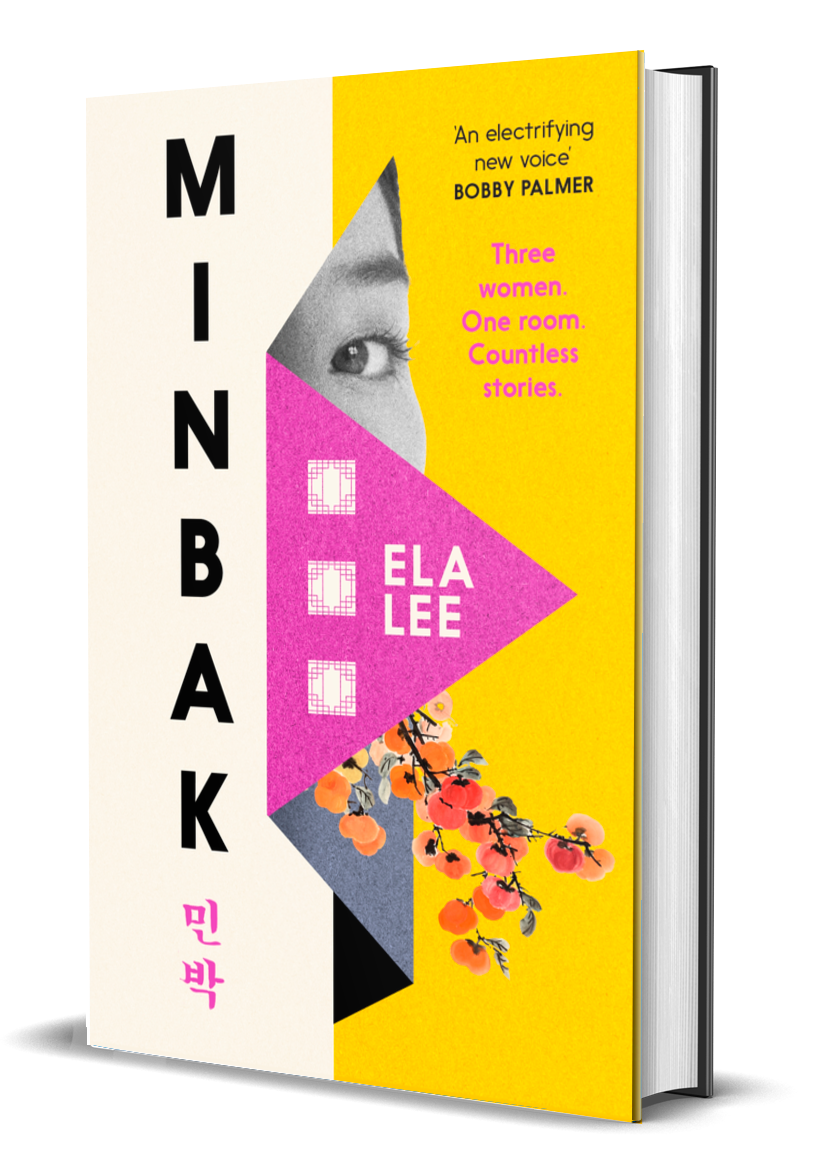
my accountant says it would be great if you bought my upcoming novel....
i love this collection / curation of interesting reads; the section on literacy reminds me of kim hyesoon's essay on literacy in the baffler as well